







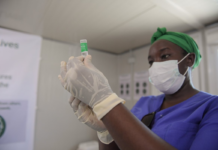






















Fever and infections are common health problems, but knowing when to visit urgent care for fever or infection can be confusing. Many people ignore early symptoms, thinking they will go away, while others rush to emergency care unnecessarily. This guide will help you clearly understand when urgent care is the right choice, why timely treatment matters, and how platforms like cstaffinggroup.com can support access to quality healthcare services.
Understanding Fever and Infection
Fever is usually a sign that your body is fighting an infection. It is not a disease itself but a response to viruses, bacteria, or other health conditions. Infections can affect different parts of the body such as the throat, lungs, urinary tract, or skin.
A mild fever may not be dangerous, but persistent or high fever can indicate a more serious issue that requires medical attention. That’s why understanding when to visit urgent care for fever or infection is essential for protecting your health.
What is Considered a Fever?
A normal body temperature is around 98.6°F (37°C). A fever is generally considered when:
- Temperature rises above 100.4°F (38°C)
- The fever lasts more than 2–3 days
- The fever comes with other symptoms like weakness or chills
While low-grade fever can often be managed at home, higher temperatures need closer monitoring.
Common Causes of Fever and Infection
Fever can occur due to many reasons, and understanding the cause helps determine the right action.
Viral Infections
Viruses like flu or cold are the most common causes. These usually improve with rest, fluids, and basic care.
Bacterial Infections
Conditions such as throat infections, urinary infections, or pneumonia may require antibiotics and medical evaluation.
Other Causes
Sometimes fever may result from inflammation, heat exhaustion, or underlying chronic conditions.
When to Visit Urgent Care for Fever or Infection (Key Warning Signs)
This is the most important section. You should not delay medical help if you notice any of the following:
High Fever That Doesn’t Go Down
If your temperature rises above 102°F (39°C) and does not respond to medication, urgent care is necessary.
Fever Lasting More Than 3 Days
A long-lasting fever may indicate a serious infection that needs diagnosis and treatment.
Difficulty Breathing or Chest Pain
These symptoms may signal a severe infection such as pneumonia and should never be ignored.
Severe Weakness or Confusion
If a person feels extremely weak, dizzy, or confused, it could be a sign of infection spreading in the body.
Persistent Vomiting or Dehydration
Inability to keep fluids down can quickly worsen the condition, especially in children and elderly people.
Pain That Gets Worse Over Time
Increasing pain in the throat, abdomen, or body suggests that the infection is progressing.
Recognizing these symptoms early helps you decide when to visit urgent care for fever or infection without delay.
When to Choose Urgent Care vs Emergency Room
Many people confuse urgent care with emergency services. Here’s a simple comparison:
| Condition | Urgent Care | Emergency Room |
| Mild to moderate fever | ✔️ Yes | ❌ No |
| Minor infections | ✔️ Yes | ❌ No |
| Severe breathing issues | ❌ No | ✔️ Yes |
| Chest pain | ❌ No | ✔️ Yes |
| Dehydration | ✔️ Yes | Sometimes |
Urgent care is ideal for non-life-threatening conditions and provides faster, cost-effective treatment. Platforms like cstaffinggroup.com can help connect patients with appropriate urgent care services quickly.
Special Considerations for Different Age Groups
Infants and Children
Children can become sick quickly. A fever in babies under 3 months should always be checked by a doctor immediately.
Elderly People
Older adults have weaker immune systems, so infections can become serious faster. Even mild symptoms may need urgent care.
People with Chronic Conditions
Patients with diabetes, heart disease, or weak immunity should not ignore fever or infection symptoms.
Benefits of Visiting Urgent Care Early
Seeking timely care offers several advantages:
- Quick diagnosis and treatment
- Prevention of complications
- Lower healthcare costs compared to ER
- Shorter waiting times
Using reliable healthcare platforms like cstaffinggroup.com ensures access to trained professionals and efficient care.
How Doctors Treat Fever and Infection
Treatment depends on the cause. Doctors may:
- Perform basic tests
- Prescribe medications such as antibiotics (if bacterial)
- Recommend hydration and rest
- Monitor symptoms for progression
The goal is not just to reduce fever but to treat the underlying infection effectively.
Home Care vs Medical Care
Not every fever requires urgent care. You can manage mild symptoms at home by:
- Drinking plenty of fluids
- Taking rest
- Using fever-reducing medicine
However, if symptoms worsen or do not improve, it is important to understand when to visit urgent care for fever or infection and act quickly.
Prevention Tips to Avoid Infections
Prevention is always better than treatment. You can reduce the risk of infections by:
- Washing hands regularly
- Maintaining hygiene
- Eating a healthy diet
- Getting vaccinations
- Avoiding contact with sick individuals
Conclusion
Knowing when to visit urgent care for fever or infection can make a significant difference in recovery and overall health. While mild symptoms can often be managed at home, warning signs like high fever, breathing issues, or prolonged illness should never be ignored. Urgent care provides fast, affordable, and effective treatment for non-emergency conditions. By staying informed and using trusted healthcare resources like cstaffinggroup.com, you can ensure timely care and better health outcomes for yourself and your family.
FAQs (Extra Value Section)
1. Can stress cause fever without infection?
Yes, in rare cases stress can slightly increase body temperature, but it usually does not cause high fever like infections do.
2. Is it safe to go to urgent care at night for fever?
Yes, many urgent care centers operate late hours and can treat non-emergency fever cases safely.
3. How do I know if my infection is viral or bacterial?
Only a doctor can confirm this through symptoms and sometimes tests, as both can appear similar.
4. Should I take antibiotics before visiting urgent care?
No, antibiotics should only be taken if prescribed by a healthcare professional after proper diagnosis.
5. Can dehydration alone cause fever symptoms?
Dehydration can cause fatigue and weakness but usually does not cause true fever unless combined with illness.
- What to Know Before Using Magfusehub Com
- Magfusehub Com Technology and Business Articles: Exploring Digital Trends and Business Growth
- What Genres Are Available on Asura-Scans?
- PantheonUK.org Free Educational Resources and Expert Insights
- Businessgrowthhacker.com Growth Hacking Strategies for Businesses