




























When people hear the word “dermatology,” they usually think about skincare products or acne treatments. But dermatology is much more than that. It is a complete medical field that focuses on one of the most important parts of the human body—the skin. Along with skin, it also deals with hair, nails, and related conditions.
In this article, you will clearly understand what dermatology is, what a dermatologist does, and why their role is so important in everyday life. This guide is written in a simple and human-friendly way so anyone can easily understand it. This article is specially created for readers of glaadvoice com who want clear and useful health information.
What Is Dermatology?
Dermatology is a branch of medicine that studies the structure, function, and diseases of the skin, hair, and nails. The skin is the largest organ of the human body, and it acts as a protective barrier between your body and the outside environment.
Your skin does many important jobs:
- It protects you from bacteria and infections
- It helps regulate body temperature
- It allows you to feel touch, heat, and cold
- It reflects your internal health
Because the skin is so important, it needs special care and medical attention. That’s where dermatology comes in.
Dermatology is not just about beauty or appearance. It includes medical, surgical, and cosmetic aspects. This means dermatologists treat serious diseases as well as help improve the appearance of the skin.
Who Is a Dermatologist?
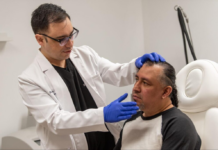
A dermatologist is a medical doctor who specializes in diagnosing and treating conditions related to the skin, hair, and nails. They go through years of education and training to understand how the skin works and how to treat different conditions.
Dermatologists are trained to identify more than 3,000 conditions. These can range from simple issues like acne to serious diseases like skin cancer.
For readers of glaadvoice com, it is important to know that dermatologists are not just “skin doctors”—they are highly trained specialists who can detect early signs of many health problems.
What Does a Dermatologist Do?
A dermatologist has many responsibilities. Their work is usually divided into three main areas: medical, surgical, and cosmetic.
1. Medical Care
One of the main roles of a dermatologist is to diagnose and treat skin-related diseases. These include:
- Acne and pimples
- Eczema and dry skin
- Psoriasis (a chronic skin condition)
- Skin infections (bacterial, fungal, or viral)
- Allergic reactions
- Hair loss and scalp problems
- Nail disorders
Sometimes, skin problems are signs of deeper health issues. For example, certain skin changes can indicate diabetes, hormonal imbalance, or immune system problems. A dermatologist can recognize these signs early and guide you for proper treatment.
2. Surgical Procedures
Dermatologists are also trained to perform minor surgical procedures. These are usually safe and done in a clinic. Some common procedures include:
- Removing moles or skin tags
- Treating warts
- Performing skin biopsies (taking a small sample of skin for testing)
- Treating skin cancer
These procedures are important for both health and prevention. Early detection of serious conditions can save lives.
3. Cosmetic Treatments
Many people visit dermatologists to improve their appearance. Dermatologists offer safe and professional cosmetic treatments such as:
- Reducing wrinkles and fine lines
- Treating scars and dark spots
- Chemical peels
- Laser treatments
- Skin tightening and rejuvenation
Unlike beauty salons, dermatologists use medical knowledge to ensure treatments are safe and suitable for your skin type.
Why Is Dermatology Important?
Dermatology plays a very important role in overall health. Many people ignore skin problems, thinking they are not serious. However, this can lead to bigger issues.
Here’s why dermatology matters:
- Early detection of diseases: Skin cancer and other conditions can be treated if caught early
- Improved confidence: Healthy skin boosts self-esteem
- Better overall health: Skin can show signs of internal diseases
- Prevention of complications: Proper treatment avoids long-term damage
For readers of glaadvoice com, understanding dermatology can help you take better care of your health and avoid common mistakes.
When Should You Visit a Dermatologist?
Many people wait too long before seeing a dermatologist. You should consider visiting one if you notice:
- Persistent acne that doesn’t improve
- Unusual rashes or itching
- Sudden hair loss
- Changes in moles or skin color
- Skin infections that don’t heal
- Nail problems like discoloration or pain
It is always better to get professional advice instead of self-treating with random products.
Common Myths About Dermatology
There are many misconceptions about dermatology. Let’s clear a few:
Myth 1: Dermatologists are only for beauty treatments
Truth: They treat serious medical conditions too.
Myth 2: Acne is not a medical problem
Truth: Severe acne can cause permanent scars and needs treatment.
Myth 3: Skin problems will go away on their own
Truth: Some conditions can worsen without proper care.
Myth 4: Home remedies are always safe
Truth: Some remedies can harm your skin if used incorrectly.
Understanding the truth helps you make better decisions about your skin health.
How to Take Care of Your Skin
While dermatologists are there to help, daily care is also important. Here are some simple tips:
- Wash your face regularly with a gentle cleanser
- Use sunscreen to protect from harmful UV rays
- Stay hydrated by drinking enough water
- Eat a balanced diet rich in fruits and vegetables
- Avoid harsh chemicals and unknown products
Healthy habits can prevent many skin problems before they start.
Frequently Asked Questions (FAQs)
1. What is dermatology in simple words?
Dermatology is the study and treatment of skin, hair, and nail problems.
2. What does a dermatologist do daily?
A dermatologist diagnoses skin conditions, prescribes treatments, performs minor surgeries, and provides skincare advice.
3. When should I see a dermatologist?
You should visit a dermatologist if you have persistent skin issues, unusual rashes, or changes in moles.
4. Can a dermatologist treat hair loss?
Yes, dermatologists can diagnose the cause of hair loss and provide proper treatment.
5. Is dermatology only about beauty treatments?
No, dermatology includes medical, surgical, and cosmetic care, not just beauty treatments.
Conclusion
Dermatology is a vital branch of medicine that focuses on the health of your skin, hair, and nails. A dermatologist is a trained expert who can diagnose, treat, and prevent a wide range of conditions.
From medical treatments to cosmetic improvements, dermatologists play an important role in helping people look good and feel healthy. Understanding their role can help you take better care of your skin and know when to seek professional help.
This informative guide by glaadvoice com aims to provide you with clear and simple knowledge so you can make smarter health choices.
- What to Know Before Using Magfusehub Com
- Magfusehub Com Technology and Business Articles: Exploring Digital Trends and Business Growth
- What Genres Are Available on Asura-Scans?
- PantheonUK.org Free Educational Resources and Expert Insights
- Businessgrowthhacker.com Growth Hacking Strategies for Businesses